
Andhra Pradesh is moving to position itself as one of India’s biggest destinations for artificial-intelligence infrastructure. At the CII Partnership Summit in Visakhapatnam on November 12, ReNew and CleanMax announced separate investment plans that together amount to about ₹1.3 lakh crore. The proposals span a 1 GW green hyperscale data centre, a separate 2 GW AI compute factory and large-scale renewable-energy and clean-tech manufacturing projects.
The headline figure needs context: this is not a single ₹1.3 lakh crore data-centre project. ReNew’s roughly ₹80,000 crore package includes digital infrastructure and clean-energy manufacturing, while CleanMax’s proposed ₹50,000 crore investment is primarily for renewable power and storage intended to support a separate compute facility being developed with AI cloud provider Neysa. The projects have different locations, partners and execution stages.
ReNew plans a 1 GW green data centre in Anakapalli
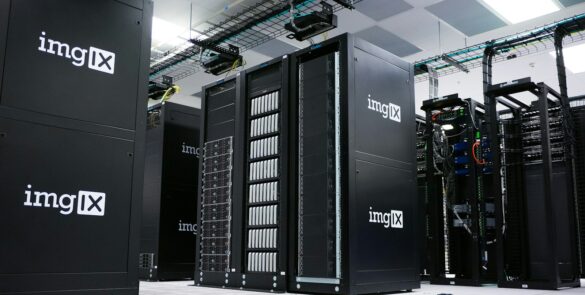
ReNew said its approximately ₹80,000 crore Andhra Pradesh investment plan includes a ₹67,000 crore, 1 GW Green Hyperscale Data Centre in Anakapalli. The company describes it as a large-scale facility intended to be powered by renewable energy, although it has not announced a public commissioning date for the data-centre project.
The rest of ReNew’s announced package is aimed at the clean-energy supply chain. It includes around ₹11,000 crore for polysilicon and metallurgical-silicon manufacturing facilities in Anakapalli and Nellore, plus a ₹1,500 crore permanent-magnet manufacturing facility planned for Rambilli. ReNew says the magnet facility is expected to be commissioned by March 2029. The company also plans to work with the Andhra Pradesh government on a technical-excellence centre involving a cluster of five industrial training institutes in Visakhapatnam.
These manufacturing investments matter because solar panels and wind turbines depend on materials and components that India has been trying to source and produce more domestically. ReNew says the new silicon facilities will complement its existing solar-manufacturing plans in the state, including a 6.5 GW ingot-and-wafer facility in Anakapalli that it expects to commission by March 2028. The details and timelines are set out in ReNew’s November 12 announcement.
CleanMax’s ₹50,000 crore plan is built around power, not just servers
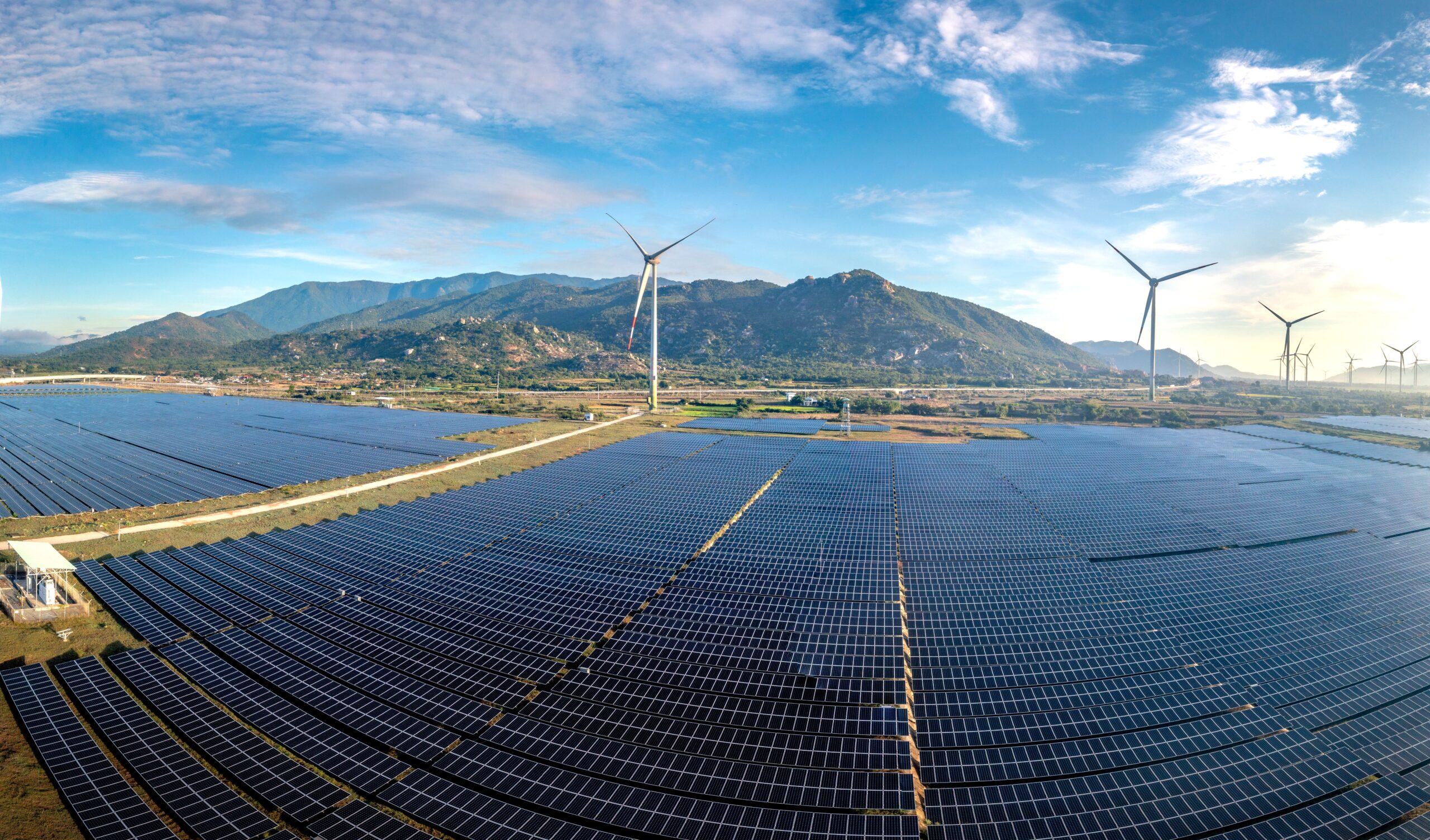
CleanMax’s proposal addresses a different part of the infrastructure challenge: supplying large computing facilities with electricity around the clock. The company plans to invest nearly ₹50,000 crore in an integrated energy complex in Andhra Pradesh, comprising 3 GW of wind and solar capacity and 1 GW of pumped-hydro storage.
CleanMax signed a memorandum of understanding with the Andhra Pradesh Economic Development Board on November 12. The projects are proposed in phases over five years, with at least 1.5 GW of renewable capacity targeted by 2029. The power complex is intended to supply a separate 2 GW compute factory in Kurnool district being developed in partnership with Neysa. Moneycontrol reported that Neysa is expected to anchor the facility with 1 GW of IT load and that the compute-factory project itself involves an estimated ₹8,000 crore investment.
Wind and solar output changes with weather and time of day, whereas AI data centres need stable electricity to keep servers running. Pumped-hydro storage can help bridge that gap: surplus electricity is used to pump water to a higher reservoir, and the stored water is released through turbines when power is needed. CleanMax also plans to develop a dedicated distribution network for the compute facility and apply to the state electricity regulator for a distribution licence, according to Moneycontrol’s report on the agreement.
Water use will be another important test. Moneycontrol reported that the proposed Kurnool facility is being designed with direct-to-chip cooling to limit water consumption and is expected to draw from supplies allocated for industrial use. That is a design intention, not a public measurement of the site’s eventual water use; actual consumption will depend on the final cooling system, operating conditions and local water arrangements.
Andhra Pradesh’s data-centre cluster is getting bigger
The ReNew and CleanMax announcements add to a wider set of proposals across the state. On November 10, the Andhra Pradesh Cabinet approved a 512 MW green integrated AI data centre by AM Intelligence at Bheemunipatnam, involving ₹31,387 crore. The Cabinet also cleared a land allotment of around 25 acres at Bhogapuram for a Reliance Industries giga-scale AI data centre and approved an AI data-centre equipment manufacturing unit by Epack at Rambilli.
Those Cabinet decisions are separate from the ReNew and CleanMax packages and should not be added to their combined ₹1.3 lakh crore figure. They do, however, show how the state is trying to build an ecosystem that includes data-centre campuses, equipment manufacturing, energy supply and technical training. The approvals were reported by The New Indian Express.
Why power and connectivity will decide whether the plans work
AI infrastructure is not simply a matter of constructing a large building and filling it with servers. Operators need high-capacity grid connections, backup systems, cooling, water arrangements and fibre links between data centres and customers. A shortage in any one of those layers can delay a project or make its planned computing capacity difficult to use.
That is why the CleanMax proposal is notable: it attempts to plan generation, storage and distribution around a large computing load rather than treating electricity as something to arrange after the data centre is built. The connectivity layer is also expanding. Fragna Tech recently covered Tata Communications’ planned 10,000-kilometre AI fibre network, which is intended to link major Indian data-centre and AI hubs.
The environmental side deserves equal scrutiny. Fragna Tech has previously examined how AI data-centre expansion can create energy, water and land-use pressures. Renewable power and more efficient cooling can help, but the real impact will depend on where electricity is generated, how storage is operated, how much water facilities consume and whether local infrastructure can support the additional demand.
What is confirmed—and what remains a plan
CleanMax has signed an MoU with the Andhra Pradesh Economic Development Board, and its energy projects are described as a phased five-year programme. ReNew has announced its investment package and the components it intends to develop. The Cabinet has separately approved the AM Intelligence proposal and other state projects. These are meaningful steps, but they are not the same as completed construction or operational capacity.
Investors and local communities will need to watch for land and regulatory clearances, financing, grid and water approvals, construction milestones, customer commitments and the actual commissioning of each phase. The first 1.5 GW of CleanMax renewable capacity targeted by 2029 is one measurable milestone. ReNew has not yet published a commissioning timetable for its 1 GW data centre, so its progress will need to be assessed through later project updates.
For India, the opportunity is larger than a headline investment number. If the proposals move from announcements to working facilities, Andhra Pradesh could gain a stronger role in AI computing, renewable-energy infrastructure and clean-tech manufacturing. The test will be whether the state can deliver reliable power, water-conscious cooling, connectivity and local skills at the scale these projects require.